
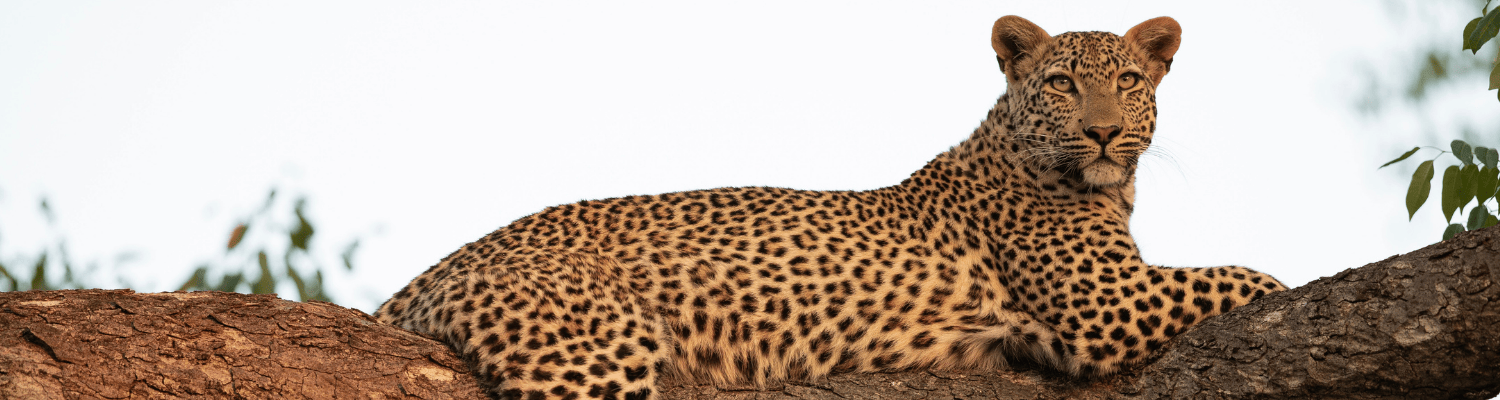
South Africa | A Complete Travel Guide
Everything you need to know before visiting South Africa for a SafariSouth Africa | A Complete Travel guide
Overview
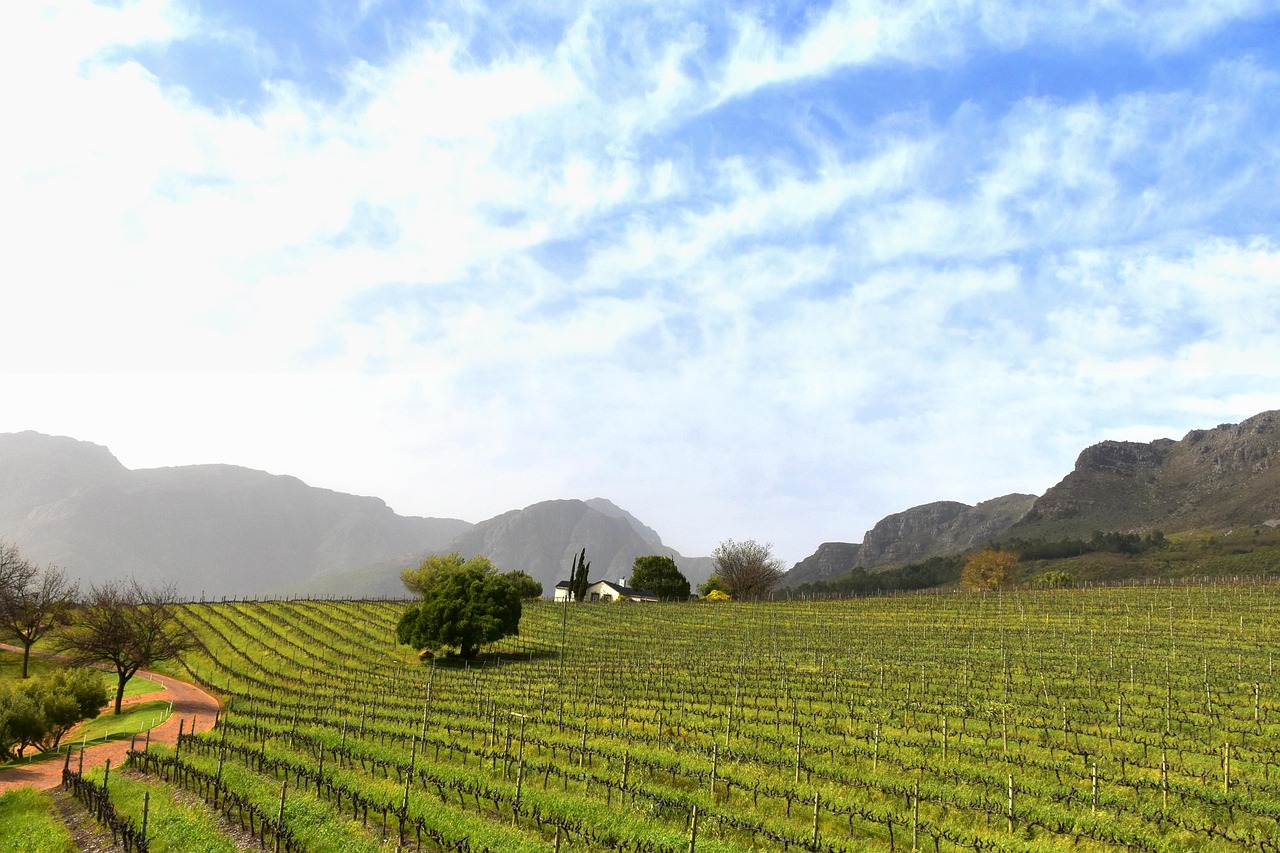
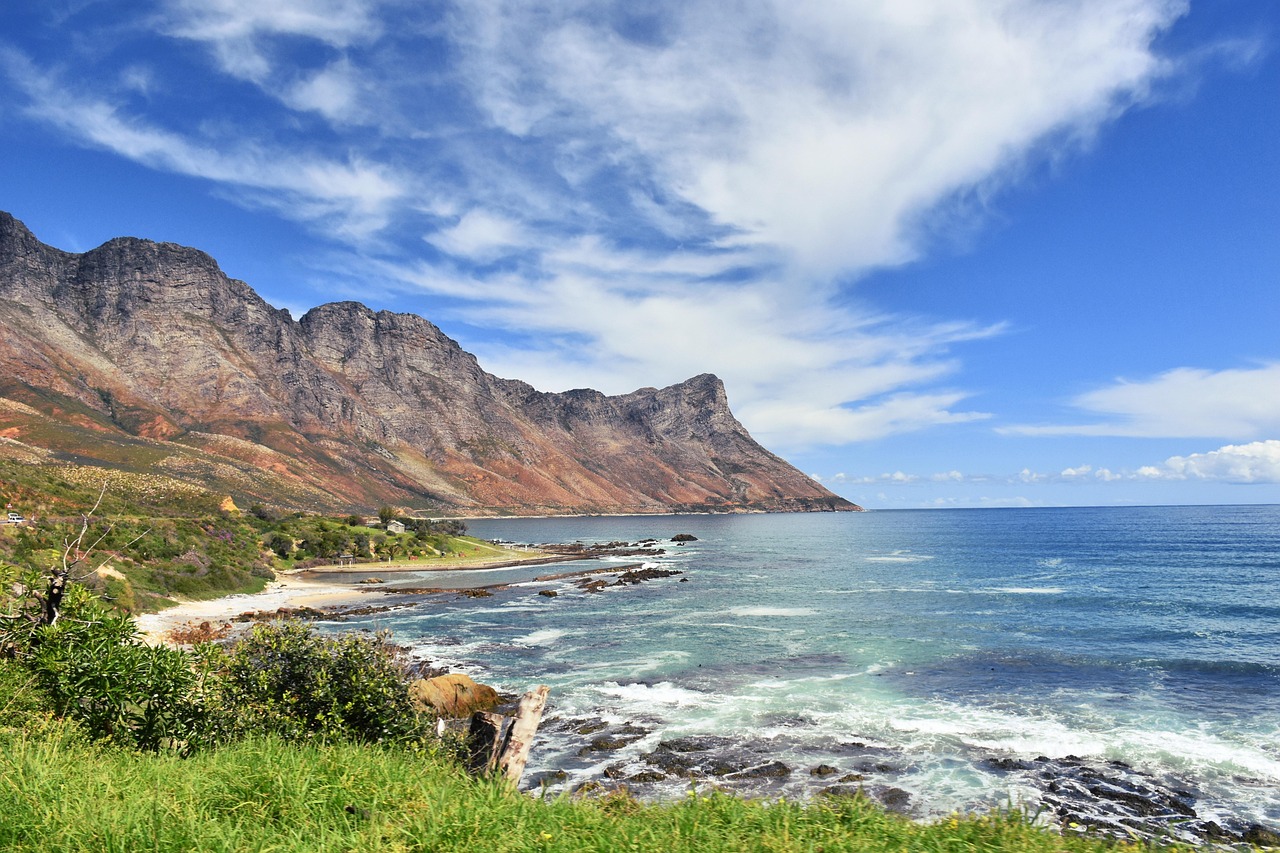
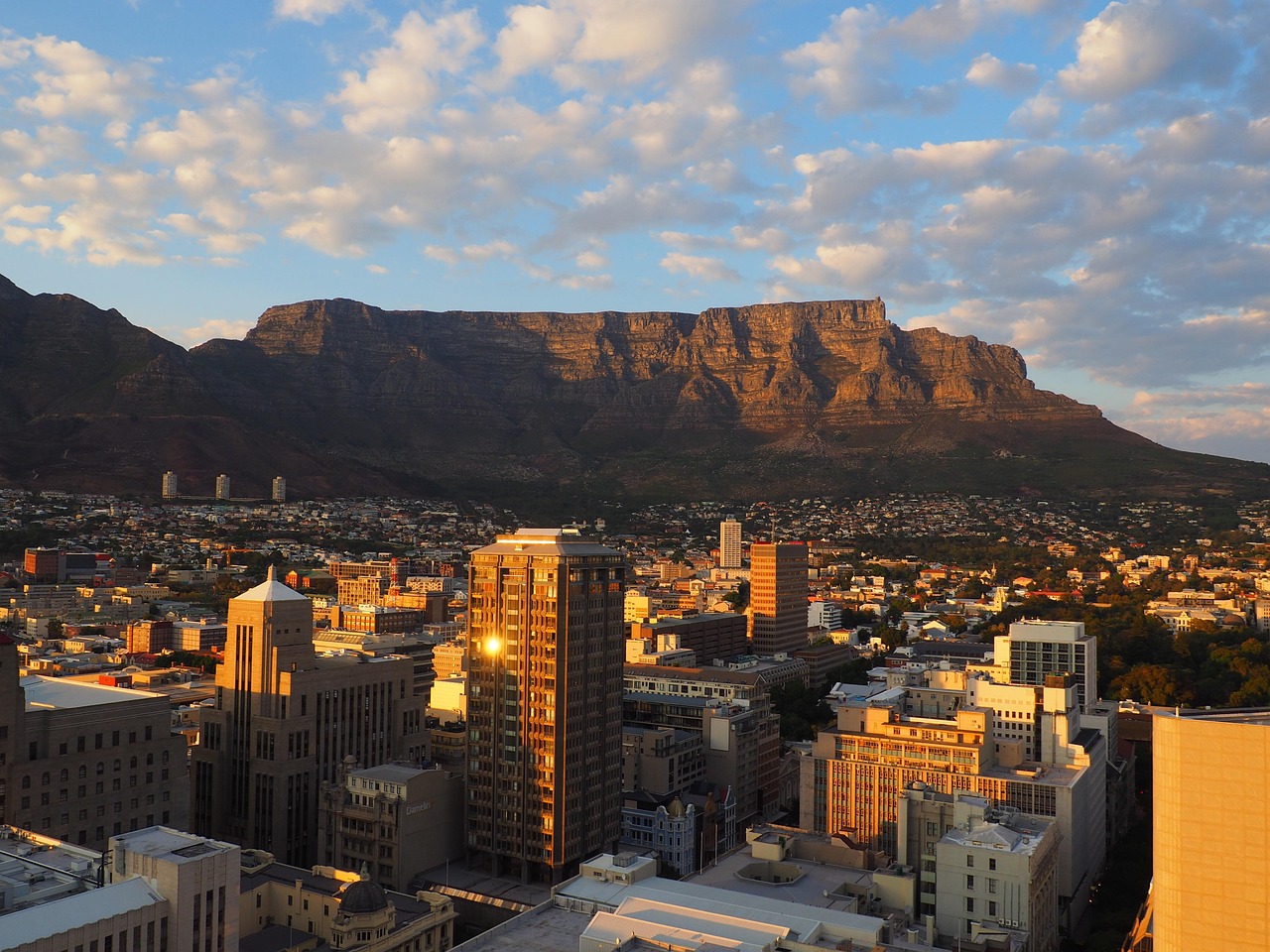
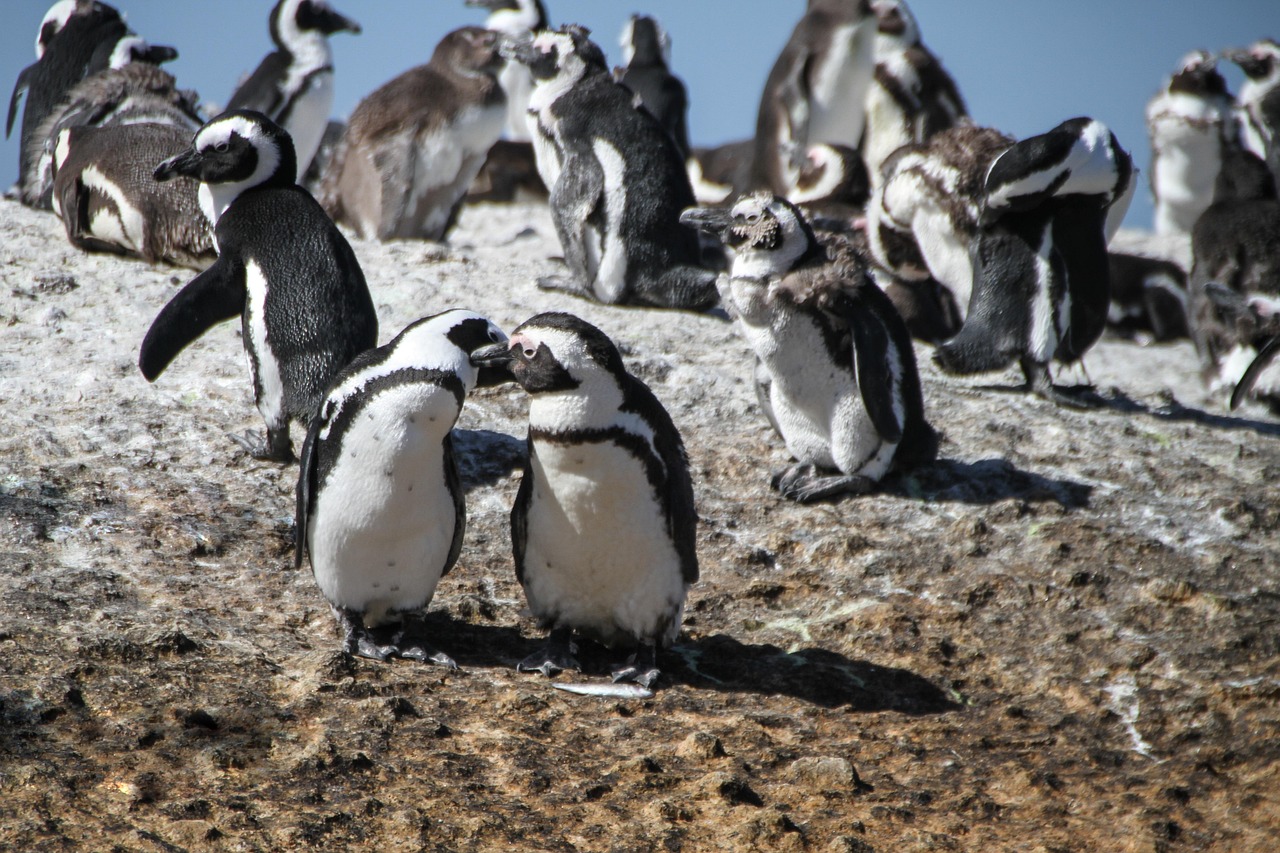
South Africa is one of Africa’s most versatile safari destinations, offering a mix of accessible wildlife areas, well-developed infrastructure, and a wide range of travel styles within a single country. Safaris take place across large national parks such as Kruger and a network of private reserves, including well-known areas like Sabi Sands, where diverse habitats and experienced guides support strong wildlife viewing, including the Big Five. Many travellers choose a safari in South Africa for the balance it offers, combining time in the bush with cities like Cape Town, coastal landscapes, or nearby winelands, making it especially well suited to first-time safari-goers, families, and those seeking flexibility without sacrificing quality wildlife experiences.

Gallery
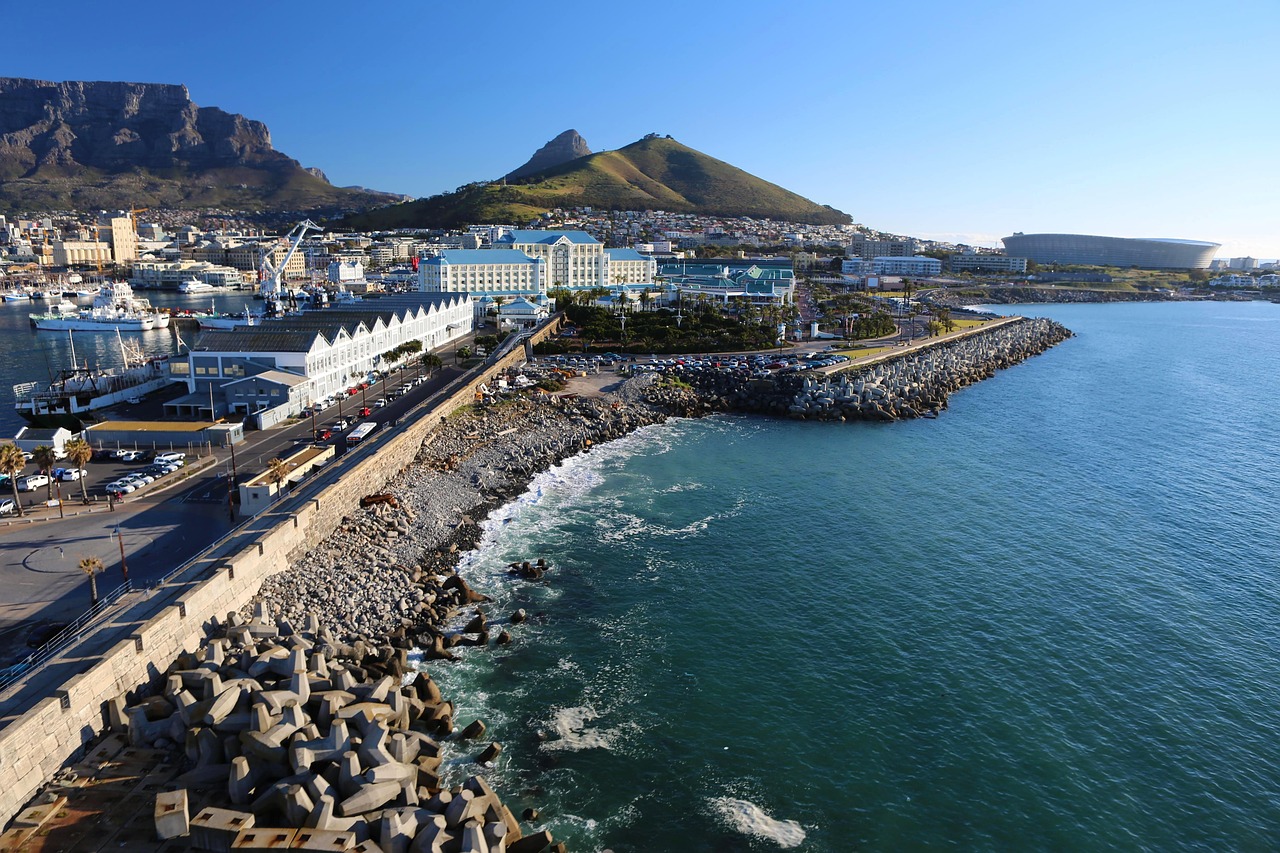
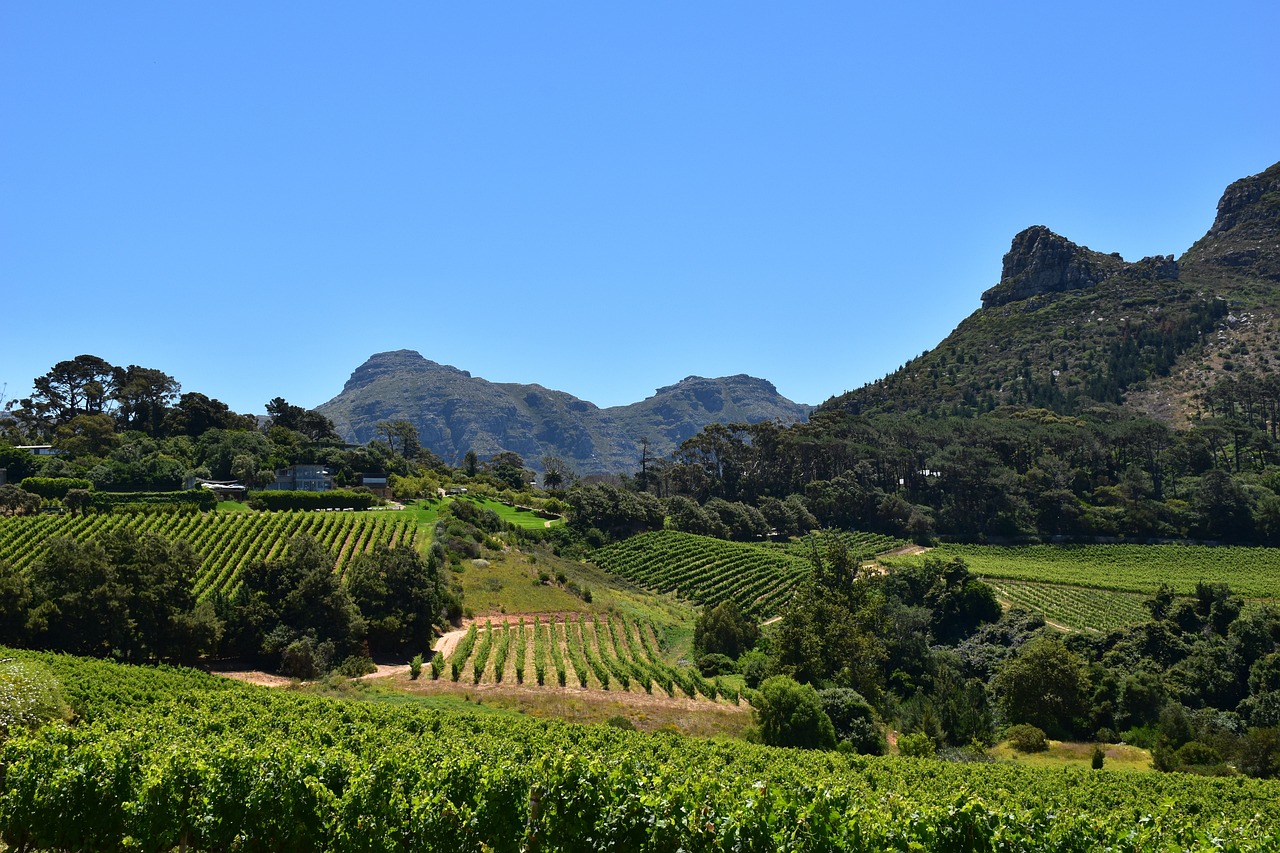
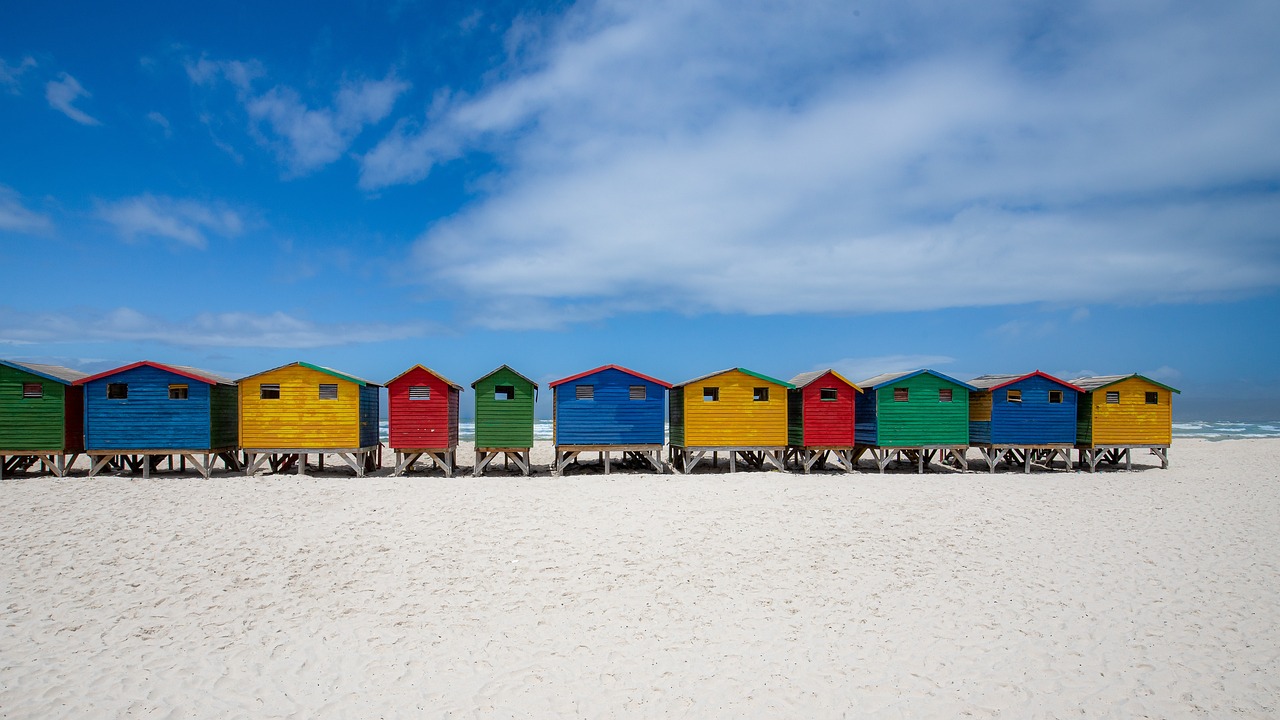
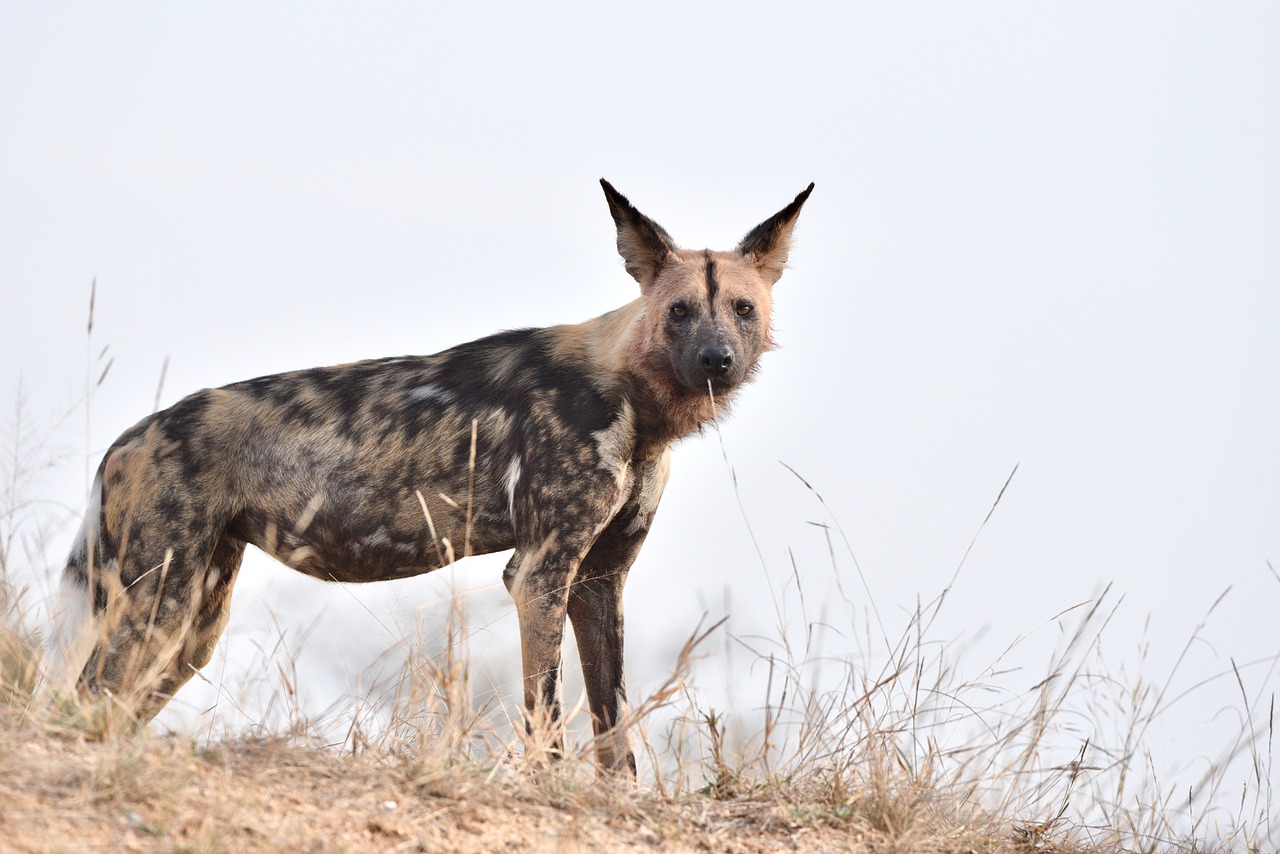
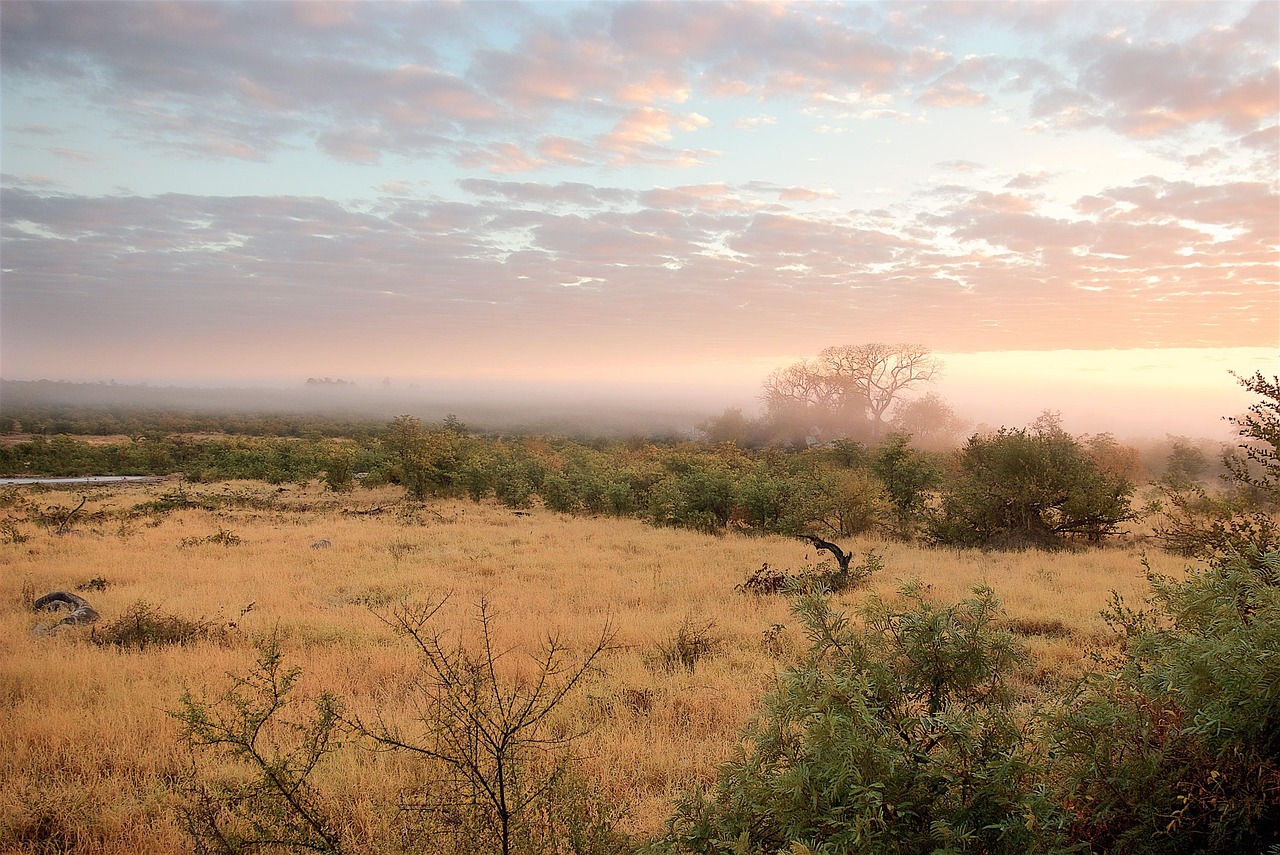
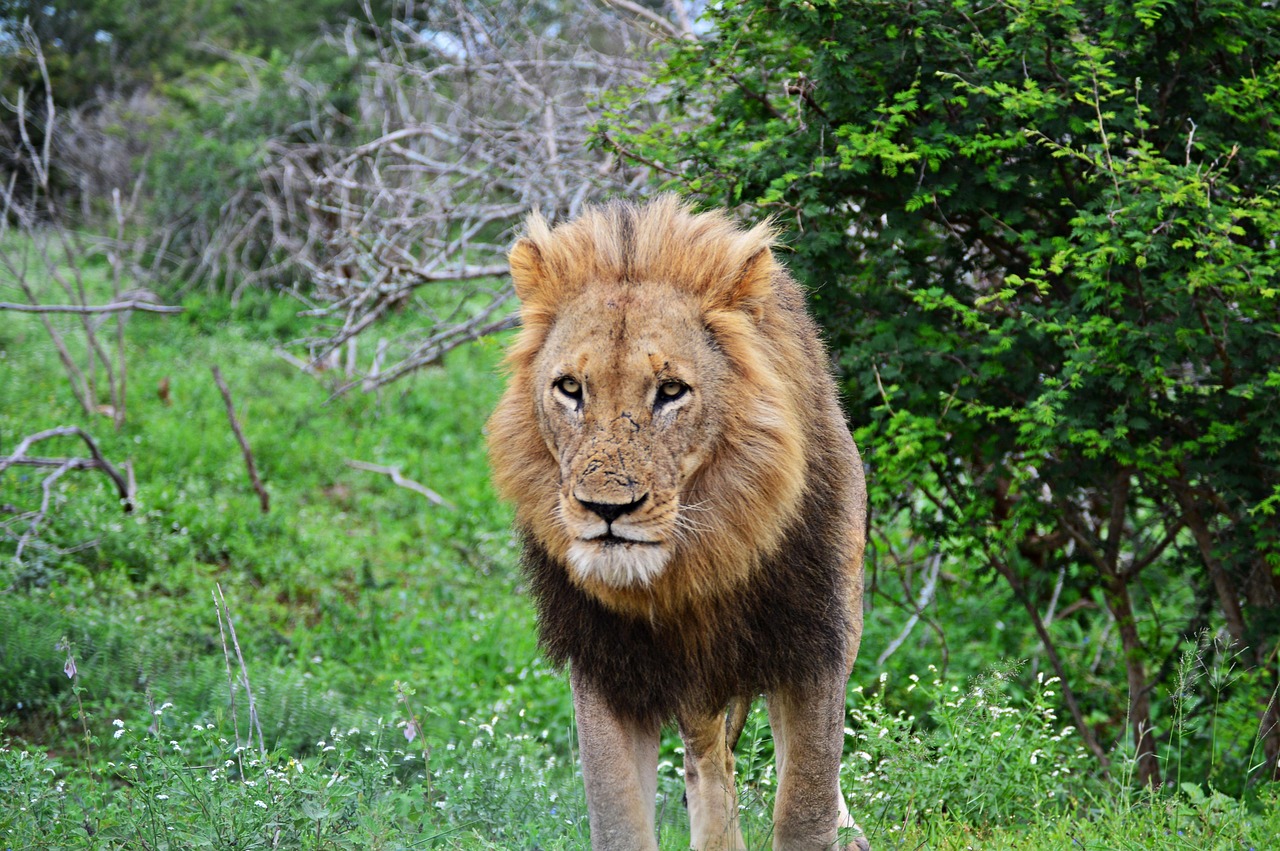
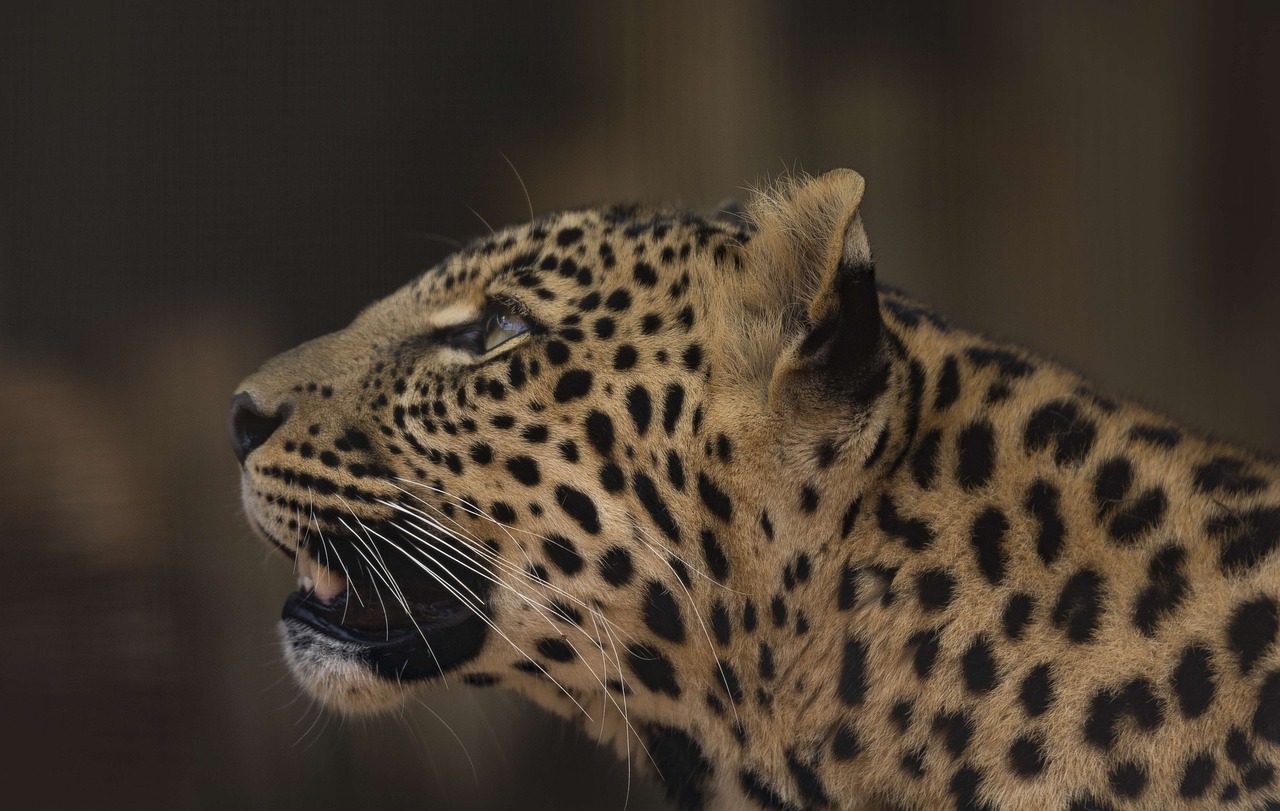
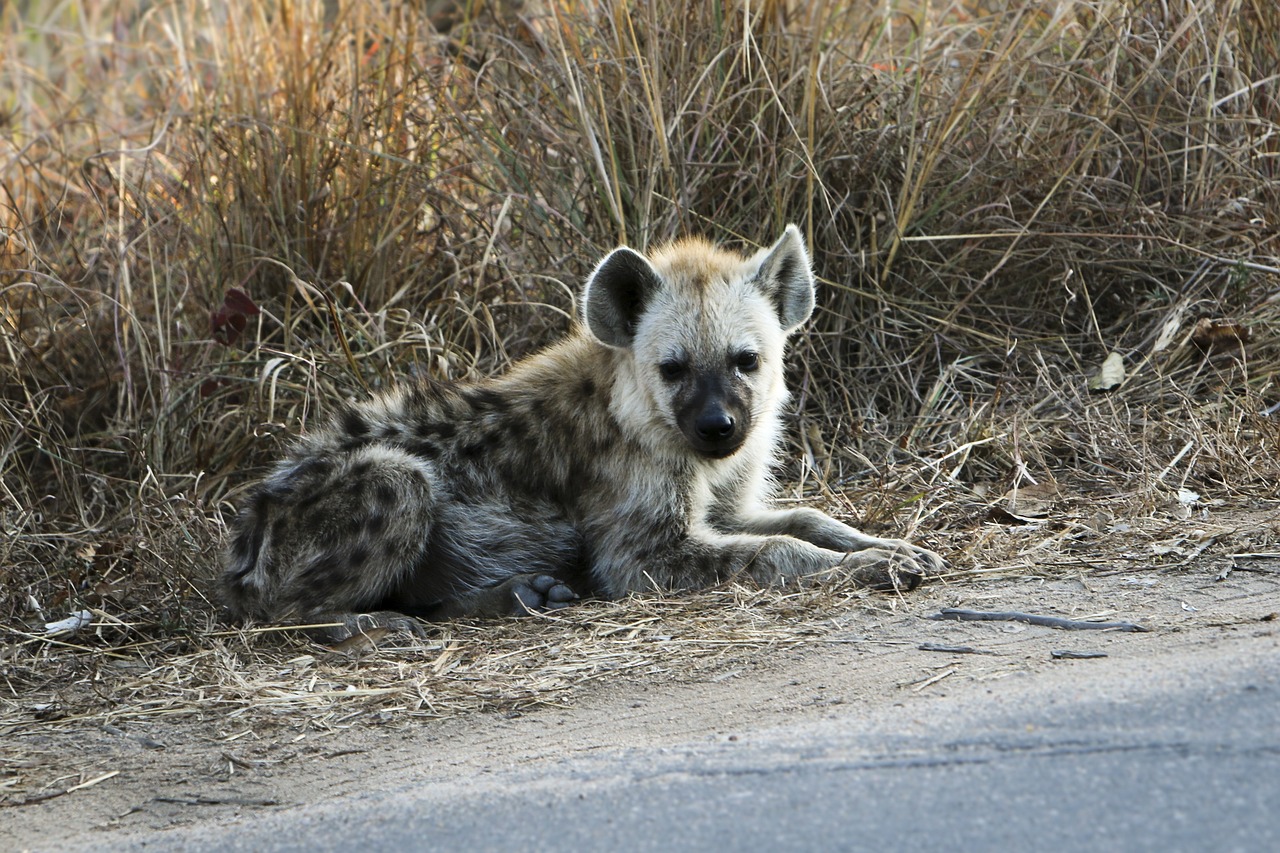
Why Visit
South Africa is often chosen by travellers seeking variety and flexibility within a single safari destination, offering a balance of high-quality wildlife viewing, strong infrastructure, and the ability to combine time in the bush with cities, coastlines, and cultural experiences. Safaris take place across large national parks and private reserves, supporting both guided and self-drive styles, which appeals to first-time safari travellers, families, and those who prefer control over pace and comfort. For travellers seeking deeper immersion, private reserves provide more exclusive wildlife encounters. In contrast, others value the ease of pairing a safari with destinations like Cape Town or the nearby winelands, making South Africa well-suited to a wide range of travel styles.
Pros & Cons
✅ Diverse safari options across national parks and private reserves
✅ Strong Big Five wildlife viewing in multiple regions
✅ Well-suited to first-time and family safari travellers
✅ Excellent infrastructure and ease of travel
✅ Easy to combine safari with cities, coastlines, and winelands
🔴 Popular safari areas can feel busy in peak seasons
🔴 Some reserves are fenced, limiting a wilderness feel
Explore More -------------------------------------------------------------------------------------------------
> Return to Safari Planning Checklist
> How to structure a luxury safari
> How to structure a family safari
> How to structure an adventurous safari
> How to structure a relaxing safari
Take the next step in your safari journey -------------------------------------------------
> Explore the best destinations for an immersive safari
Start planning your safari ----------------------------------------------------------------------------
> Explore safari tours
> Explore Immersive safaris
Where To Go
South Africa offers one of Africa's most flexible safari landscapes, with distinct regions, parks, reserves, cities, and towns that suit very different travel styles within a single journey. From vast national parks that deliver classic Big Five safaris to private reserves offering more intimate wildlife encounters, and coastal and urban destinations that balance nature with culture, food, and scenery, the choice of where to go shapes how your safari feels. Some areas prioritize accessibility and family-friendly travel, while others focus on privacy, immersion, or slow, low-density experiences, making South Africa a destination where travelers can build an itinerary around the pace, comfort level, and moments they want to collect along the way.
Not sure where to go? See what feels right for you:
“I am looking for a truly immersive safari.”
| For someone looking for close and intimate wildlife experiences in South Africa, here are the places that you should consider for your safari: | ||
| Regions | Parks & Reserves | Cities & Towns |
| 🥇 Kruger Region 🥈 Zululand Region 🥉 Waterberg Safari Region | 🥇 Sabi Sands Game Reserve 🥈 MalaMala Game Reserve 🥉 Timbavati Private Nature Reserve | 🥇 Hoedspruit 🥈 White River 🥉 Nelspruit |
| “I want to collect iconic, once-in-a-lifetime safari moments.” | ||
| For someone looking to collect iconic safari experiences in South Africa, here are the places that you should consider for your safari: | ||
| Regions | Parks & Reserves | Cities & Towns |
| 🥇 Kruger Region 🥈 Cape Region 🥉 Kgalagadi Region | 🥇 Kruger National Park 🥈 Kgalagadi Transfrontier National Park 🥉 Addo Elephant National Park | 🥇 Cape Town 🥈 Johannesburg 🥉 Hoedspruit |
| “I’m looking for privacy, comfort, and high-end lodges.” | ||
| For someone looking for privacy, comfort, and high-end lodges in South Africa, here are the places that you should consider for your safari: | ||
| Regions | Parks & Reserves | Cities & Towns |
| 🥇 Kruger Region 🥈 Waterberg Safari Region 🥉 Eastern Cape Safari Region | 🥇 Sabi Sands Private Game Reserve 🥈 Thornybush Private Game Reserve 🥉 Timbavati Private Nature Reserve | 🥇 Cape Town 🥈 Franschhoek 🥉 Stellenbosch |
| “I want a safari that works well for my family.” | ||
| For someone looking for a safari well-suited to families in South Africa, here are the places that you should consider for your safari: | ||
| Regions | Parks & Reserves | Cities & Towns |
| 🥇 Eastern Cape Safari Region 🥈 North West Region 🥉 Zululand Region | 🥇 Kruger National Park 🥈 Phinda Private Game Reserve 🥉 Madikwe Game Reserve | 🥇 Cape Town 🥈 Johannesburg 🥉 Durban |
| “I’m looking for an adventurous, on-the-go safari experience.” | ||
| For someone looking for an adventurous, on-the-go safari experience in South Africa, here are the places that you should consider for your safari: | ||
| Regions | Parks & Reserves | Cities & Towns |
| 🥇 Kruger Region 🥈 Kgalagadi Region 🥉 Garden Route | 🥇 Kruger National Park 🥈 Kgalagadi Transfrontier National Park 🥉 Marakele National Park | 🥇 Hoedspruit 🥈 Cape Town 🥉 Johannesburg |
| “I want a safari that will allow me to slow down, switch off, and disconnect.” | ||
| For someone looking to slow down and disconnect in South Africa, here are the places that you should consider for your safari: | ||
| Regions | Parks & Reserves | Cities & Towns |
| 🥇 Waterberg Safari Region 🥈 Eastern Cape Safari Region 🥉 Zululand Region | 🥇 Marataba Private Game Reserve 🥈 Phinda Private Game Reserve 🥉 Shamwari Private Game Reserve | 🥇 Franschhoek 🥈 Stellenbosch 🥉 White River |
| If none of the above quite feels like you, that’s okay. You can also start by exploring the types of places that bring you closer to the safari you imagine. | ||
Explore Regions → | Explore Parks → | Explore Cities → |
Regions
Everything you need to know about safari regions in South Africa
Safari regions are broad areas that include multiple parks, reserves, lodges and landscapes, offering exclusive experiences, off-road drives, and more flexible safari itineraries compared to single parks. Understanding regions allows you to tailor your journey to your preferences and comfort levels.
Best regions in South Africa:
- 🥇 Kruger Region
- 🥈 Zululand Region
- 🥉 North West Safari Region
Expert tip: Book lodges within the Kruger Region’s private concessions for quieter game viewing, diverse habitats, and greater freedom to walk and drive off-road.
Getting Here
Everything you need to know about getting to South Africa:
South Africa is well-connected via major international airports with a mix of regional flights and reliable transfers to safari destinations. Main entry points and easy onward travel make reaching lodges efficient.
- Main point of entry to South Africa: Cape Town International Airport, O. R. Tambo International Airport (Johannesburg), King Shaka International Airport (Durban)
- Effort to get to South Africa: 🟢 Easy
- Effort getting around South Africa: 🟡 Medium
- Best ways to get around South Africa: ✈️ Air; 🚙 Transfers; 🚗 Self Drive
Expert tip: Pre-book your regional flights or lodge transfers—especially into the Kruger Region—to avoid delays and ensure seamless arrival, as charter flights have strict baggage limits and schedules.
A Deeper Understanding Of Getting To South Africa
By Air
International visitors typically fly into O.R. Tambo (Johannesburg) or Cape Town International, both of which offer direct flights from Europe, North America, and the Middle East. King Shaka Airport (Durban) services seasonal routes. For safaris, regional carriers like Airlink and FlySafair connect to Kruger Mpumalanga, Skukuza, and Hoedspruit—passengers can then transfer by road or charter to lodges. Private charter services, such as Federal Air and Airlink Lodgelink, fly directly to reserved airstrips.
By Road
Self-driving routes are popular from Johannesburg to the Kruger National Park, featuring decent highways and scenic stops along the way. Driving offers flexibility, but can add 4–6 hours for lodge transfers. Border crossings from Zimbabwe, Mozambique, Namibia, and Botswana are possible but require careful planning due to immigration and road conditions.
Transfers and Accessibility
Most lodges provide pre-arranged private transfers from airports, typically in 4x4 vehicles or shuttles. Inside safari areas, chartered bush flights shuttle guests between camps. In urban and coastal regions, car rentals, taxis, ride-hailing services (such as Uber/Bolt), and shuttle services are widely available.
Activities
Everything you need to know about safari activities in South Africa:
Explore a variety of safari experiences, including game drives, immersive walking safaris, night drives, boat and canoe trips, and even fishing and birdwatching safaris. Each offers unique ways to encounter wildlife and landscapes.
Expert tip: Combine a morning walk in the Kruger Region with an afternoon game drive to see both small-footed bush life and the Big Five on the same day.
Explore activities available in South Africa:
Wildlife
Everything you need to know about wildlife in South Africa
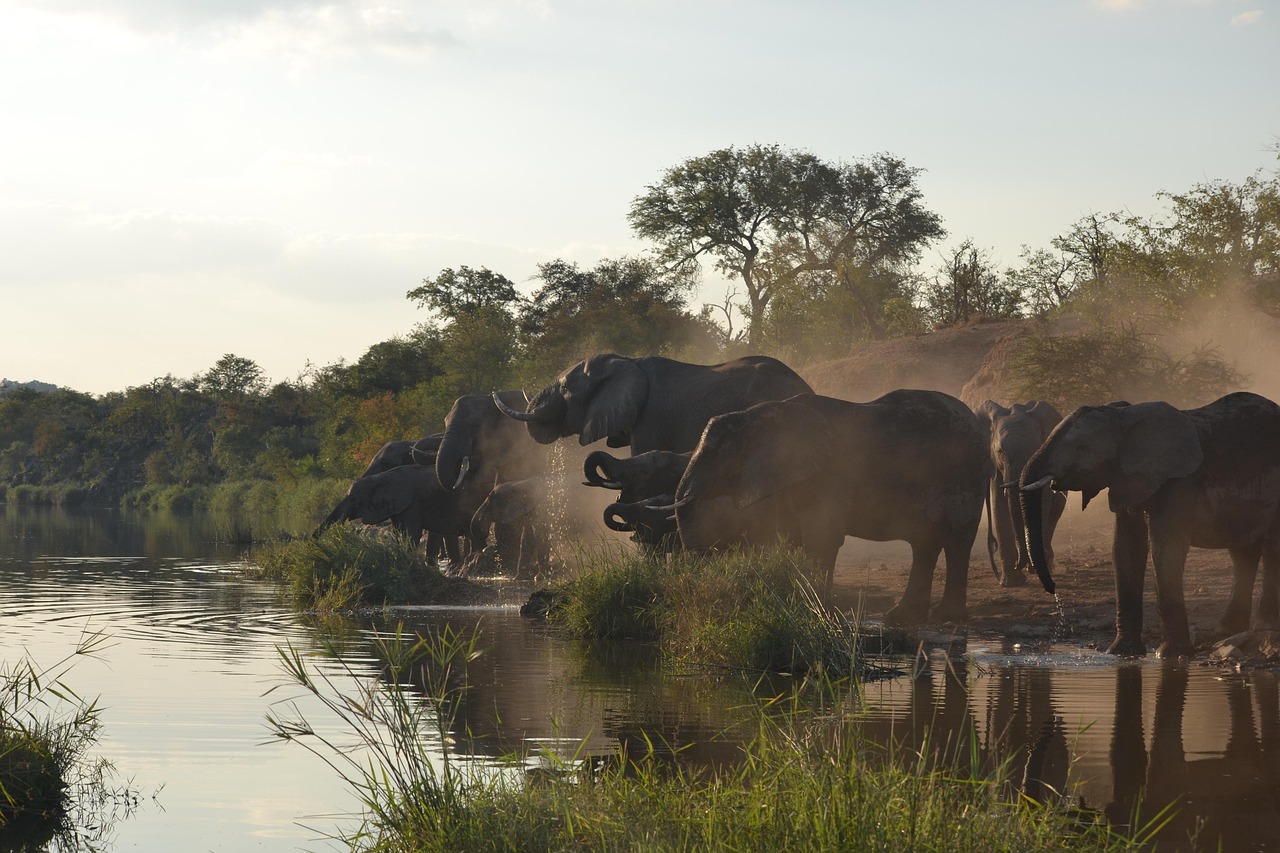
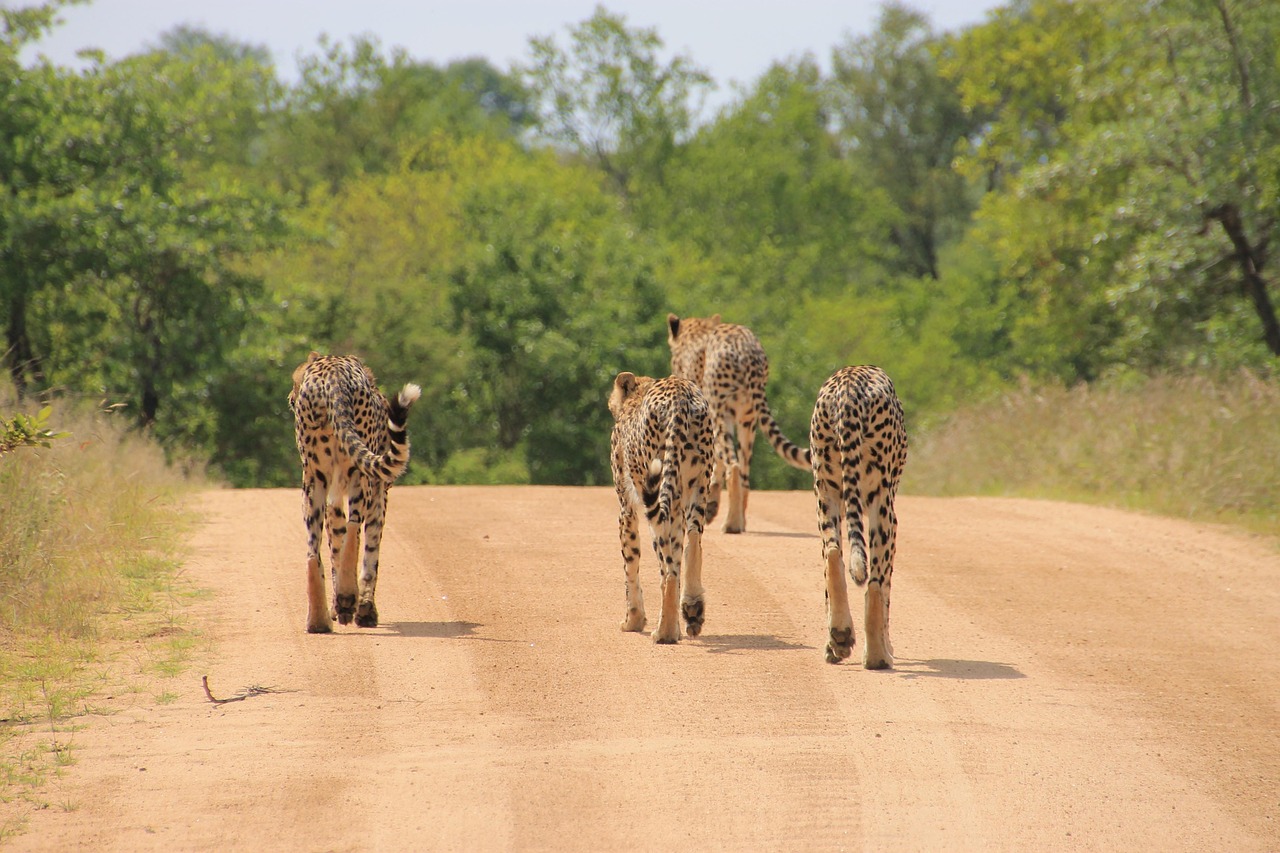
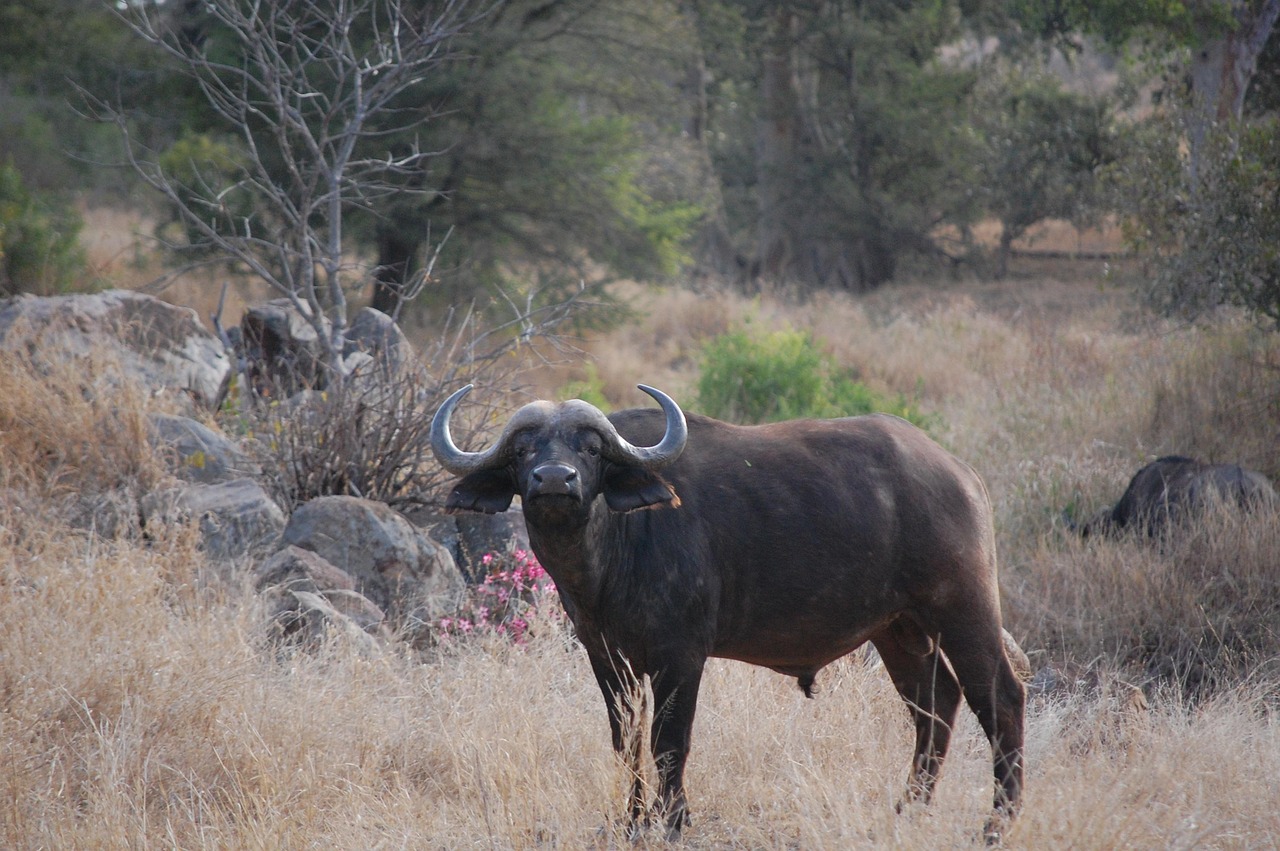
South Africa is home to the iconic Big Five—lion, elephant, rhino, leopard, buffalo—alongside cheetah, African wild dog, hyena, hippo, and zebra. May to September is prime for wildlife sightings, as animals gather around scarce water sources.
- Best months for wildlife viewing in South Africa: May to September
Expert tip: Opt for early-morning or late-afternoon game drives in the Kruger Region—these cooler hours offer better chances to spot leopards, wild dogs, and predators in action.
Explore wildlife in South Africa:
A Deeper Understanding Of Wildlife In South Africa
South Africa’s ecosystems—from the Lowveld bushveld of Kruger to privately conserved concessions—support a thriving predator-prey balance. Dry-winter months (May–Sept) mean animals are easier to track at waterholes. Unique sightings, such as endangered African wild dog packs and the secretive pangolin, await those who explore beyond standard routes.
Table showing wildlife occurrence in South Africa
🔵 Plentiful 🟢 Common 🟡 Uncommon 🔴 Sporadic ⚫ Non-occurring
| Species | Frequency |
|---|---|
| Lion | 🔵 |
| Leopard | 🟢 |
| Cheetah | 🟡 |
| Spotted Hyena | 🟢 |
| Brown Hyena | 🟡 |
| Striped Hyena | 🔴 |
| Black‑backed Jackal | 🟢 |
| Side‑striped Jackal | 🟡 |
| Caracal | 🟡 |
| Serval | 🟡 |
| African Wild Cat | 🟡 |
| African Wild Dog | 🟡 |
| Aardwolf | 🔴 |
| White Rhino | 🟢 |
| Black Rhino | 🟡 |
| Elephant | 🔵 |
| Buffalo | 🔵 |
| Giraffe | 🔵 |
| Hippo | 🟢 |
| Zebra | 🔵 |
| Blue Wildebeest | 🟢 |
| Black Wildebeest | ⚫ |
| Sable | 🔴 |
| Roan | 🔴 |
| Eland | 🟡 |
| Oryx | ⚫ |
| Kudu | 🟢 |
| Waterbuck | 🟡 |
| Lechwe | ⚫ |
| Sitatunga | ⚫ |
| Aardvark | 🔴 |
| Pangolin | 🔴 |
| Mountain Gorilla | ⚫ |
| Chimpanzee | ⚫ |
Birds
Everything you need to know about birdlife in South Africa
South Africa boasts a diverse array of birdlife, ranging from the majestic southern ground hornbills and Cape parrots to the colourful widowbirds and melodious Cape robin-chats. Its spring–summer breeding season (Oct–Dec) brings vibrant plumage and migratory species.
- Birds in South Africa: southern ground hornbill, Cape parrot, Cape robin-chat, southern double-collared sunbird, Cape spurfowl
- Best months for birding: October to February
Expert tip: Visit the Kruger Region and iSimangaliso Wetland Park in spring (October–December) to witness colourful breeding displays and migratory influxes.
Explore birds in South Africa:
When To Go
Everything you need to know about the best time to visit South Africa:
The ideal time for a safari is during the dry winter months (May to September), when game viewing is excellent, vegetation is sparse, and animals congregate around water sources. Low-season rains (Oct‑Apr) offer lush landscapes and birding appeal.
- High season: May to September
- Low season: October to April
Expert tip: Aim for May–June or August–September — cooler nights, crisp days, fewer crowds, and incredible wildlife sightings around waterholes.
A Deeper Understanding Of The Best Time To Visit South Africa
South Africa’s May–September dry season is optimal for safari in the east (Kruger, private reserves) due to minimal rainfall and open bush, making wildlife easy to spot. June–August bring cooler nights—pack warmly.
The wet summer (October–April)—especially December–February—brings heat, afternoon thunderstorms, and lush greenery. This low season offers excellent birdwatching and opportunities to spot newborn wildlife.
For Cape-based activities, note the reverse rainfall pattern: summer is dry and sunny, while winter is rainy—adjust your itinerary accordingly.
Table representing the best time to visit South Africa:
| Month | Weather | Wildlife Viewing | Birdwatching | Temperature |
|---|---|---|---|---|
| January | 🌧️ | ✅ | 🐦🐦 | 🔥 |
| February | 🌧️ | ✅ | 🐦🐦 | 🔥 |
| March | 🌧️ | ✅ | 🐦🐦 | 🔥 |
| April | 🌤️ | ✅✅ | 🐦🐦 | ☀️ |
| May | ☀️ | ✅✅✅ | 🐦🐦 | ☀️ |
| June | ☀️ | ✅✅✅ | 🐦 | ❄️ |
| July | ☀️ | ✅✅✅ | 🐦 | ❄️ |
| August | 🌤️ | ✅✅✅ | 🐦 | ☀️ |
| September | 🌤️ | ✅✅✅ | 🐦🐦 | ☀️ |
| October | 🌤️ | ✅✅ | 🐦🐦 | ☀️ |
| November | 🌧️ | ✅ | 🐦🐦🐦 | 🔥 |
| December | 🌧️ | ✅ | 🐦🐦🐦 | 🔥 |
Table Legend:
Weather: ⛈️ Thunderstorms, 🌧️ Rain, 🌤️ Partly Cloudy, ☀️ Dry
Wildlife Viewing: ✅ Average, ✅✅ Good, ✅✅✅ Great
Birdwatching: 🐦 Average, 🐦🐦 Good, 🐦🐦🐦 Great
Temperature: ❄️ Cold, ☀️ Warm, 🔥 Hot
Weather and climate
Everything you need to know about weather and climate in South Africa
South Africa experiences summer (December–March) as hot with occasional afternoon thunderstorms, and winter (June–August) as mild and dry—ideal for game viewing. Coastal areas follow a reverse rainfall pattern.
Seasonal Breakdown:
- Summer: Hot summers—average highs around 28 °C (82 °F) and lows near 17 °C (63 °F); rainfall is common, mainly from November to March (90–120 mm/month; 3.5–4.7 in), mainly in the afternoon.
- Winter: Mild winters—highs of 16 °C (61 °F), lows ~7 °C (45 °F); dry with minimal rain (<30 mm/1.2 in); coastal Cape Town sees its wettest months June–August, averaging ~70 mm/2.8 in monthly.
Expert tip: Pack light layers and a waterproof jacket—afternoon rains in summer clear quickly, while mornings in winter can drop sharply.
A Deeper Understanding Of Weather And Climate In South Africa
South Africa falls into two main climate zones: most regions (Highveld, Kruger, Limpopo) follow a summer rainfall pattern, while the Western Cape has a Mediterranean climate–winter rains, summer dryness.
- Summer (Nov–Mar) brings afternoon thunderstorms, lush vegetation, and high humidity inland, making it ideal for birding and green-season landscapes, but it can affect visibility in the bush.
- Winter (May–Sept) offers dry, cool days and cold nights, opening clear wildlife visibility and concentrated animal movements near water in safari regions.
- Shoulder seasons (April–May and September–October) offer a mild climate, fewer crowds, and excellent wildlife viewing opportunities. Cape’s spring (September) adds whale-watching and wildflowers.
- Regional differences include high-altitude chill in Johannesburg and drizzly winters in Cape Town, versus dry heat in the Kalahari and Kruger’s Lowveld.
Table representing weather and climate in South Africa by month
🟢 Excellent weather | 🟡 Fair weather | 🟠 Hot or rainy conditions | 🔴 Unfavourable travel period
| Month | Avg Low (°C/°F) | Avg High (°C/°F) | Precip (%) | Rainfall (mm/in) | Rainy Days | Humidity (%) | UV Index |
|---|---|---|---|---|---|---|---|
| January | 17 / 63 | 28 / 82 | 85% | 110 / 4.3 | 8 | 70% | 11 |
| February | 17 / 63 | 28 / 82 | 85% | 120 / 4.7 | 9 | 72% | 11 |
| March | 16 / 61 | 27 / 81 | 80% | 100 / 3.9 | 7 | 68% | 10 |
| April | 14 / 57 | 25 / 77 | 60% | 60 / 2.4 | 5 | 60% | 8 |
| May | 11 / 52 | 22 / 72 | 35% | 30 / 1.2 | 3 | 55% | 7 |
| June | 7 / 45 | 19 / 66 | 25% | 25 / 1.0 | 2 | 50% | 5 |
| July | 7 / 45 | 19 / 66 | 25% | 20 / 0.8 | 2 | 48% | 6 |
| August | 8 / 46 | 22 / 72 | 30% | 25 / 1.0 | 3 | 52% | 7 |
| September | 10 / 50 | 24 / 75 | 45% | 50 / 2.0 | 4 | 58% | 9 |
| October | 13 / 55 | 26 / 79 | 65% | 80 / 3.1 | 6 | 64% | 10 |
| November | 15 / 59 | 27 / 81 | 80% | 100 / 3.9 | 7 | 68% | 11 |
| December | 17 / 63 | 28 / 82 | 85% | 110 / 4.3 | 8 | 70% | 11 |
Safety
Everything you need to know about safety in South Africa
South Africa is generally safe for organised city and safari travel. Violent and petty crime can occur, mainly in urban centres and during self-driving trips at night. Following basic precautions—such as staying on main roads, locking vehicles, and avoiding unfamiliar areas after dark—will significantly reduce risks.
Expert tip: Avoid walking alone after dark in cities, lock your car doors immediately, and only stop for official vehicles.
A Deeper Understanding Of Safety In South Africa
South Africa carries higher crime rates than many countries, particularly in Cape Town, Johannesburg, and Durban, with issues like armed robbery, carjacking, and opportunistic theft more likely. Incidents such as fake police “blue light bandits” have been reported on highways; travellers should only pull over for clearly marked law enforcement vehicles. Tourist hotspots and safari lodges are well-regulated with strong security, and following-the-guide protocols and staying in vehicles are standard safety measures during wildlife viewing. Protests and gatherings can arise with little warning—monitor local media and avoid crowds. By using trusted tour operators, opting for gated lodges, staying alert on roads, and maintaining awareness after dark, travellers can enjoy an enriching trip with minimal risk.
VISA
Everything you need to know about visas for travel to South Africa
Most visitors from countries such as the UK, EU, US, Canada, and Australia do not require a visa for tourism stays of up to 90 days. Passports must be valid for at least 30 days beyond the departure date and have two blank pages.
Use the following links to see your visa requirements when travelling to South Africa:
Expert tip: Check if your country is visa-exempt and apply well in advance if you need an e-Visa or ETA, as South Africa is rolling out digital visa systems for some nationalities.
A Deeper Understanding Of Visa Requirements For South Africa
If you're a national from a visa-exempt country, you receive a visitor's visa on arrival at the port of entry without needing pre-approval, valid for up to 90 days. Guests from other countries must apply for a visa in advance—either via an e-Visa system, available for select nationalities, or through a South African consulate, submitting Form BI-84, their passport, photos, proof of funds, a return ticket, and a yellow fever certificate if travelling from endemic areas. Passports must be valid 30 days after your intended departure, and include at least two blank pages. Overstaying may result in bans of 1 to 5 years under immigration law. South Africa is phasing in a new ETA (Electronic Travel Authorisation) system in late 2025, which will eventually replace paper visas for many travellers.
Vaccinations
Vaccinations are needed to visit South Africa
Routine immunisations (DTaP/Tdap, MMR, polio, influenza) should be up to date. Hepatitis A and B are recommended. Typhoid and rabies vaccinations may be recommended depending on the travel style. Malaria prophylaxis is essential in regions like the Kruger National Park.
Vaccinations Required: Routine (diphtheria‑tetanus‑pertussis, MMR, polio, influenza), Hepatitis A, Hepatitis B
Use the following link to find vaccination information for South Africa: https://skyteam.traveldoc.aero/
Expert tip: Schedule your vaccines at least 4–6 weeks before travel, especially if you need a rabies series or malaria prophylaxis.
A Deeper Understanding Of Vaccination Requirements for South Africa
Travellers should ensure that their routine immunisations (DTaP/Tdap, MMR, polio, influenza) are up to date—these protect against common, circulating diseases. Hepatitis A and B vaccines are recommended for most visitors due to the potential for exposure to contaminated food, water, or blood. Typhoid vaccination is recommended for individuals visiting rural or informal areas, particularly those outside major cities. Rabies vaccine is recommended for travellers with a higher exposure risk (e.g., animal contact, cavers), although it is not routine for short stays. Malaria prophylaxis medicine is essential when travelling to the Kruger Region, Limpopo, Mpumalanga, and KwaZulu-Natal border districts. Discuss prescription options with a doctor. Yellow fever vaccination is only required if arriving from a yellow‑fever endemic country. Consider boosters for meningitis and stay informed about tuberculosis exposure if you work or stay in high-risk settings.
Explore More
Continue your safari planning journey across Africa’s top countries
Not sure if South Africa is your perfect fit? Click below to explore and compare other safari countries.
No text