
Leopard | A Complete Safari Guide
Learn how to spot leopards and understand their elusive behaviour on safariOverview
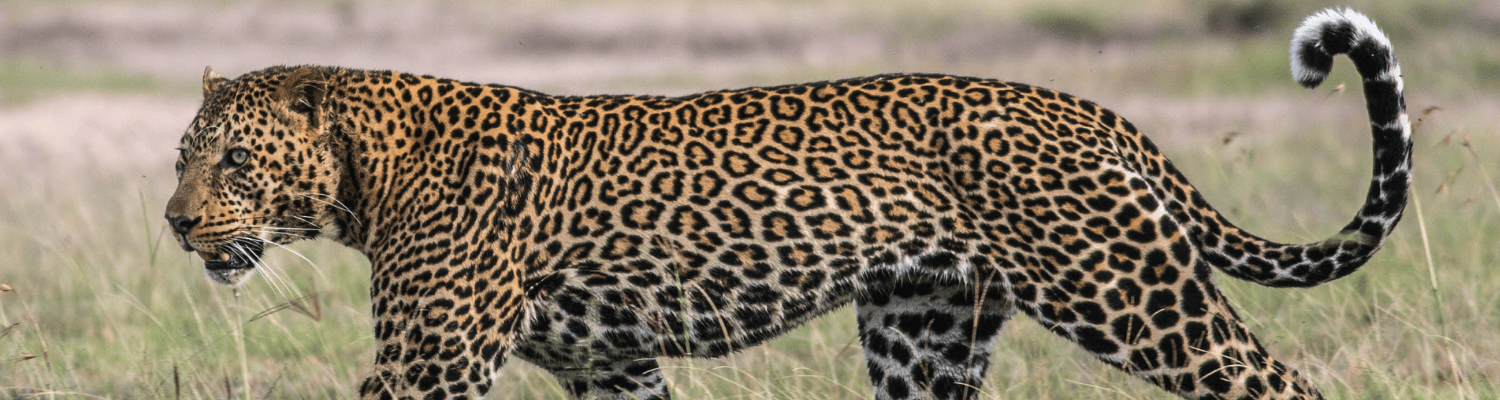
The leopard is a sleek and powerful big cat known for its golden coat covered in dark rosettes and its secretive nature. It is found across much of sub-Saharan Africa, often in woodlands, savannas, and rocky areas where cover is available. Leopards are solitary and highly adaptable, often seen resting in trees or moving silently through the bush. For travellers, they are one of the most exciting and elusive sightings on safari. Their beauty, stealth, and rarity make every encounter feel special and unforgettable.









Gallery
Summary
Best Places To See
Leopards are most reliably seen in areas with strong prey density, suitable tree cover, and exceptional guiding, with Sabi Sands Game Reserve in South Africa standing out as the benchmark due to habituated individuals and consistent, close-range sightings. Adjacent reserves such as Timbavati Game Reserve and the wider Kruger National Park also offer regular encounters, especially along river systems. In Botswana, Moremi Game Reserve in the Okavango Delta provides high-quality sightings in a mix of woodland and floodplain habitat, while in East Africa, the Masai Mara National Reserve delivers strong seasonal sightings, particularly in areas with dense riverine vegetation where leopards favour cover.
Best Time Of Year To See
The best time to see a black leopard is during the dry season, when reduced vegetation improves visibility and sightings of all leopards become more consistent. These animals are extremely rare and tend to favour dense cover, so clear conditions and experienced guides play a major role in successful encounters. Activity is typically highest at dawn, dusk, and during the night, when they move through their territories to hunt. In the wet season, thicker vegetation and wider prey distribution make sightings even more difficult, although conditions are quieter with fewer vehicles, offering a more exclusive but less reliable viewing experience.
Identification
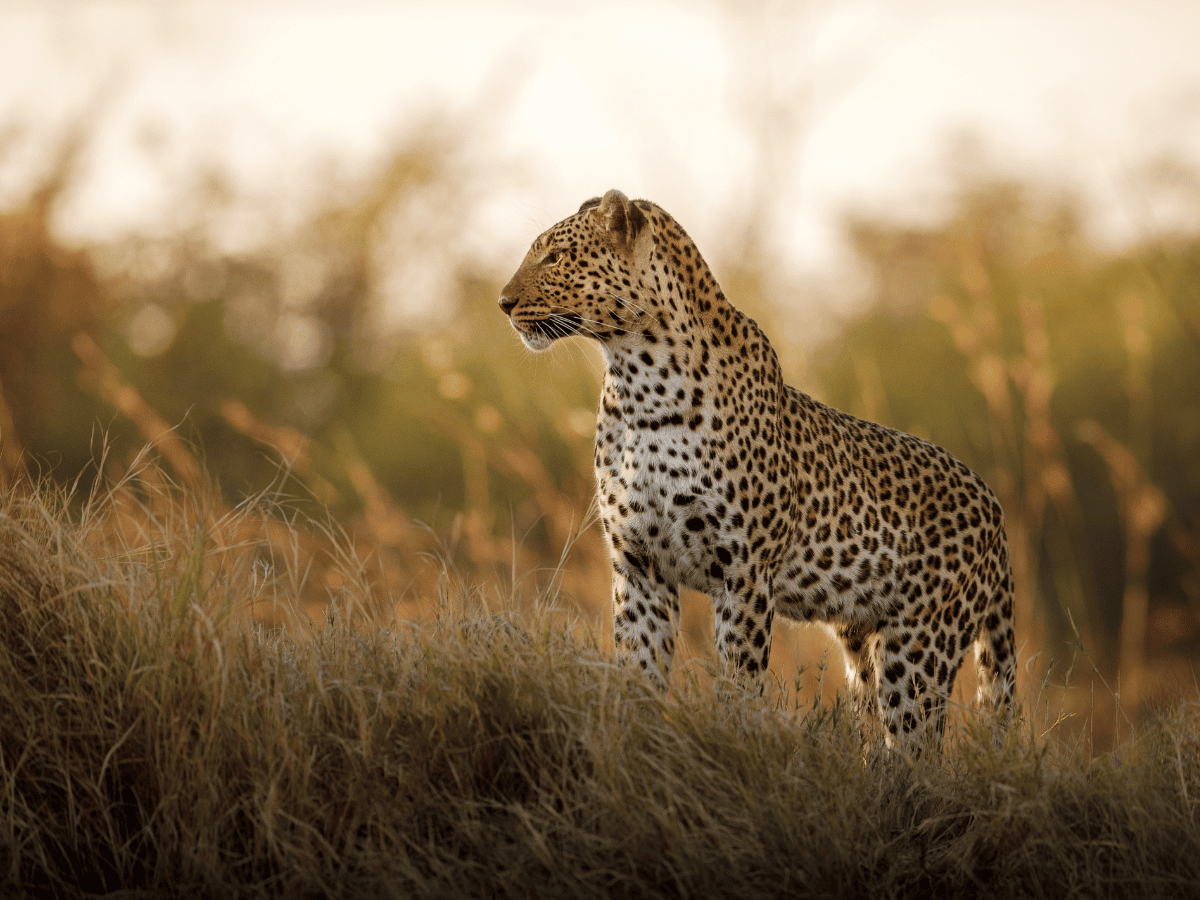
Leopards are medium-sized cats with golden coats covered in dark rosette-shaped spots. They have long bodies, thick tails, and a powerful yet graceful build. Males are larger than females, but both share the same markings. Cubs have softer, fuzzier coats with less defined spots. Leopards are often seen alone and may be found resting in trees. They are sometimes confused with cheetahs, but leopards have rosettes instead of solid spots and lack tear marks on the face. Their stealth and tree-climbing ability are key identifying traits.
Behaviour
Leopards are solitary carnivores that hunt a wide range of prey, often stalking quietly before launching a short ambush. They are known for dragging kills into trees to avoid scavengers. They are mostly nocturnal but can be active during the day. Each individual has a defined territory. On safari, sightings often involve a leopard resting in a tree, moving stealthily through bush, or feeding on a kill.
Diet
Leopards are solitary carnivores that feed on a wide range of prey, from small animals to medium-sized antelope. They are skilled hunters that rely on stealth, getting close before launching a short, powerful attack. They often hunt at night. Leopards are known for dragging their kills into trees to avoid competition from other predators. Their diet can change depending on what is available in the area. They are highly adaptable and may also scavenge when needed. Their ability to hunt alone makes them very efficient predators.
Habitat
Leopards are highly adaptable and found in woodland, savanna, forest edges, and rocky areas. They prefer habitats with good cover, such as thick vegetation or trees, which help them stay hidden and ambush prey. They are often linked to riverine areas where prey is plentiful. Leopards spend much of their time in trees or dense bush. Travellers are most likely to see them in well-guided reserves, often resting in trees or moving along riverbeds and thick vegetation during early morning or late afternoon.
Conservation Status
Leopards are currently listed as vulnerable, with populations decreasing in some areas due to increasing human pressure. Their main threats include habitat loss, conflict with people, and illegal hunting for skins or body parts. Leopards are highly adaptable, which helps them survive in a range of environments, but they still rely on safe, undisturbed areas. Strong populations exist in well-managed reserves and national parks. Conservation efforts focus on habitat protection and reducing conflict. Safari tourism plays an important role by supporting these protected areas and promoting the value of conserving leopards.
Interesting Facts
Leopards are incredibly adaptable and can live in a wide range of habitats, from dense forests to arid regions. They are known for their strength, often dragging prey much heavier than themselves into trees to avoid scavengers. Leopards are solitary and highly elusive, making sightings feel special. Their spotted coat provides excellent camouflage, allowing them to blend seamlessly into their surroundings while stalking prey.
Folklore
Leopards are often seen as symbols of stealth, intelligence, and adaptability. In many African cultures, they are associated with royalty and elite status due to their solitary nature and elusive behaviour. Among some communities, leopard skins have historically been worn by leaders to signify authority. Their ability to move unseen has also linked them to mystery and cunning, reinforcing respect for intelligence and strategy rather than brute strength alone.